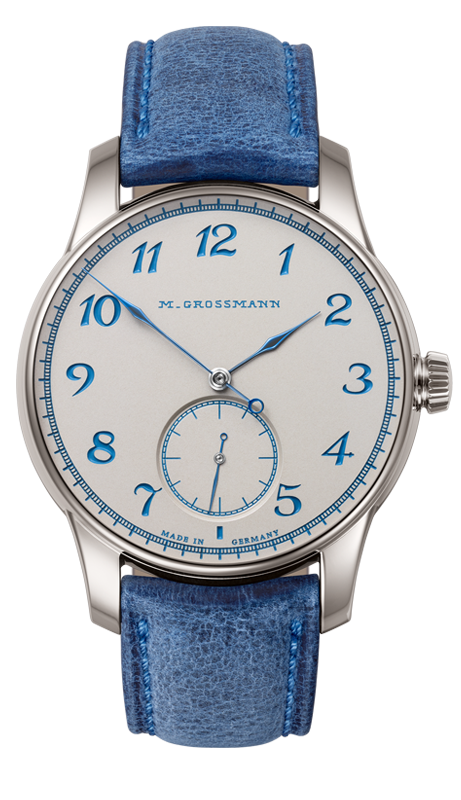
Hamatic
Silver-Plated
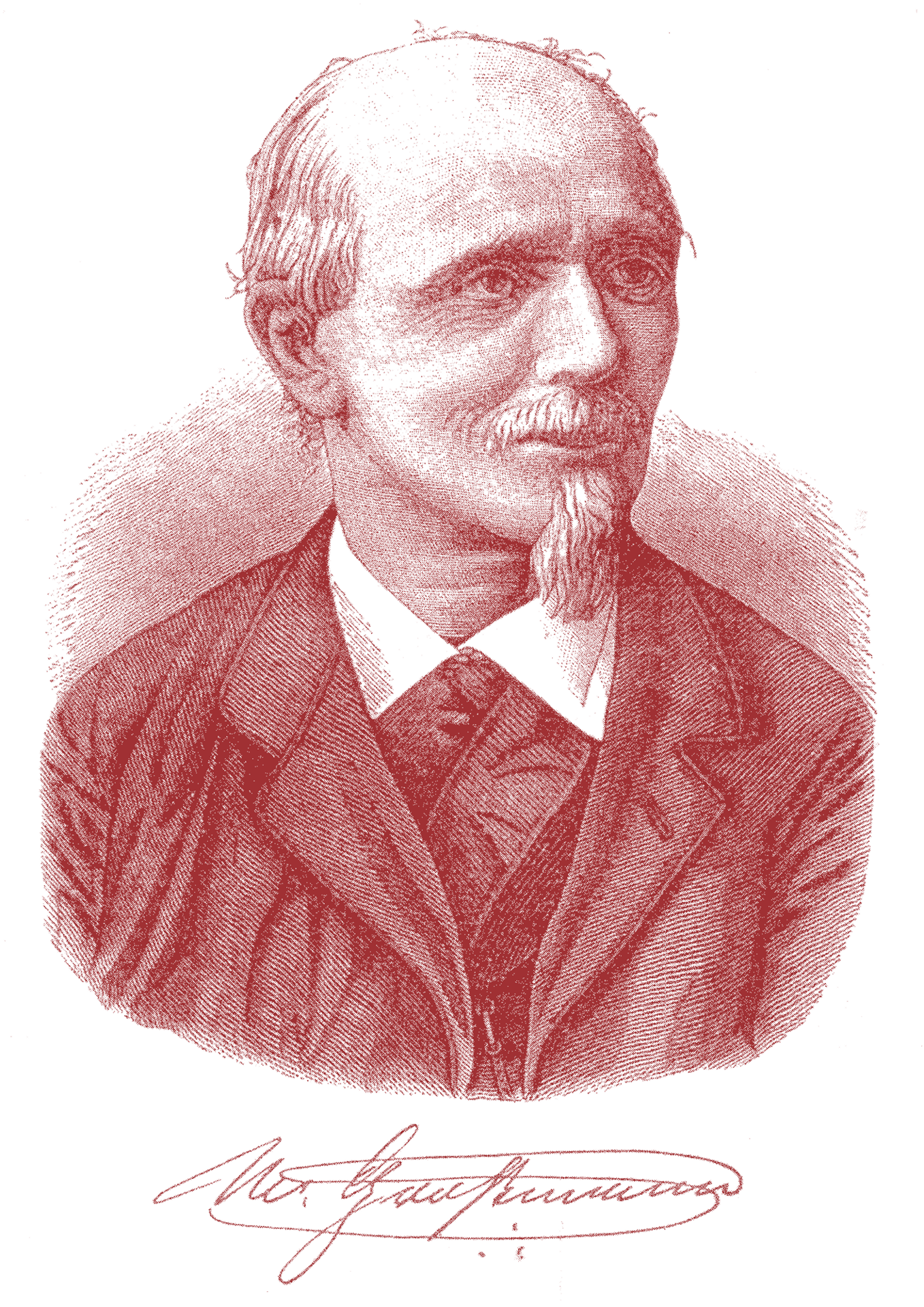
Visionary until today

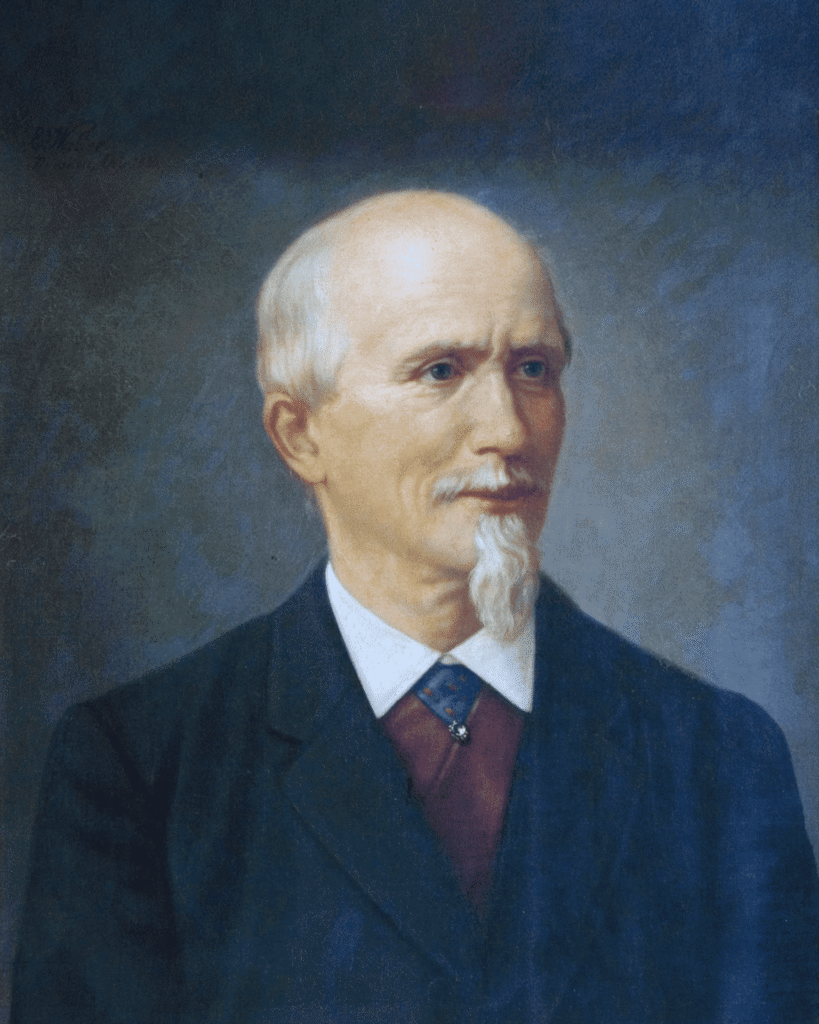
The year 2026 is a special one for the Moritz Grossmann manufactory: our namesake, the visionary watchmaker Carl Moritz Grossmann, was born 200 years ago on 27 March 1826.
Moritz Grossmann was an exceptionally gifted watchmaker, a successful industrialist, an experienced engineer and a great inventor, teacher and author. His works and legacy remain highly regarded to this day. His development and construction of novel tools and measuring instruments, including ones with metric displays, had a lasting impact on the watchmaking trade.
To mark the anniversary this year, we are dedicating a series of limited editions to this great individual, whose pioneering spirit shaped many parts of the watchmaking trade, and focusing on additional aspects of our history.
Schönstes Deutsches Handwerk
With a series of limited-edition timepieces, the manufacturer is honoring the work and legacy of Moritz Grossmann in its anniversary year.
Silver-Plated
Silver-Plated
Silver-Plated
Silver-Plated
Silver-Plated
Silver-Plated
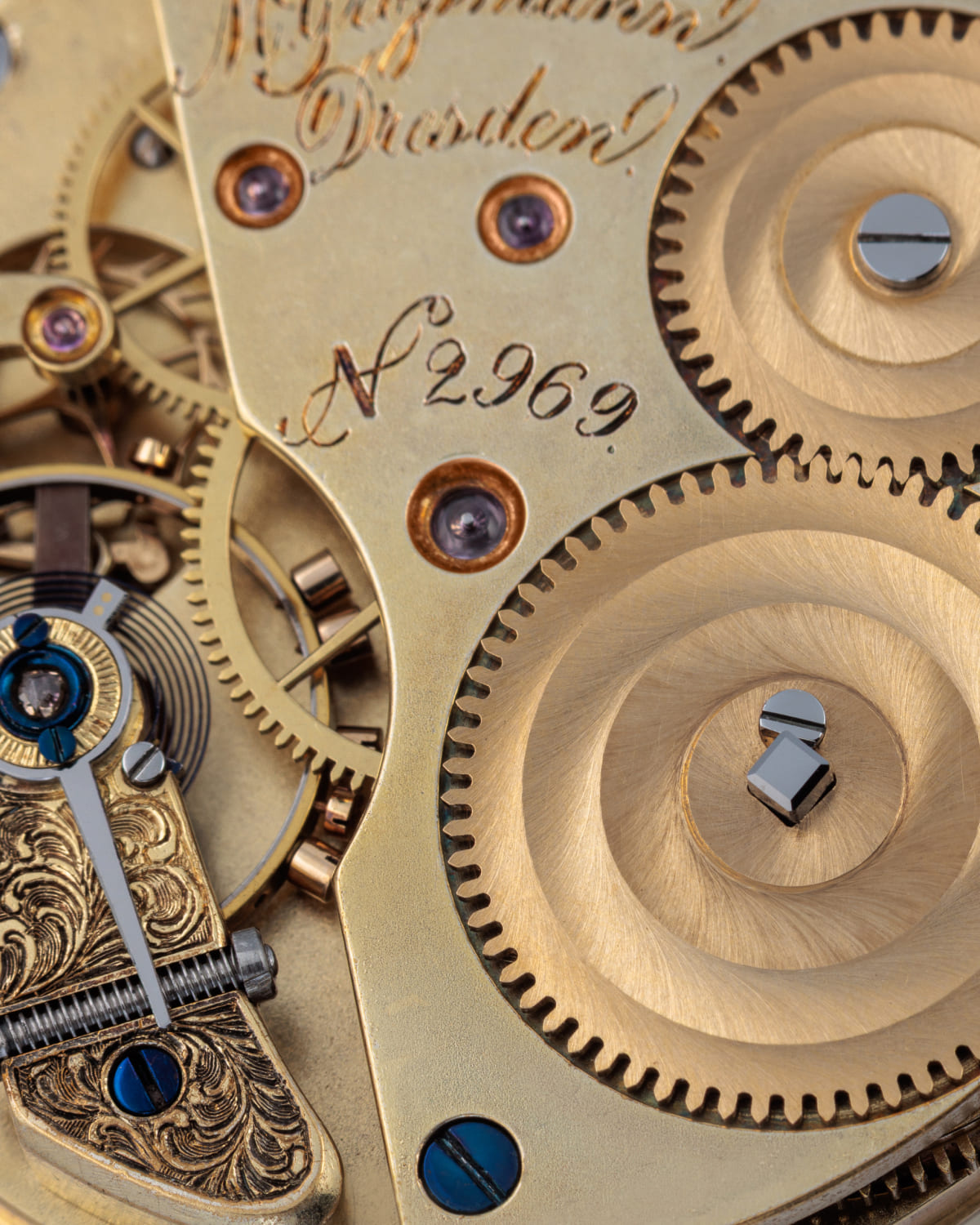
Moritz Grossmann not only built impressive watches, but also influenced the entire watchmaking trade by developing and building novel tools and measuring instruments with metric displays. He often made improvements to the smallest details imaginable, which only made their impact all the greater. His watches boasted extraordinary designs that could not be found in other Glashütte brands.
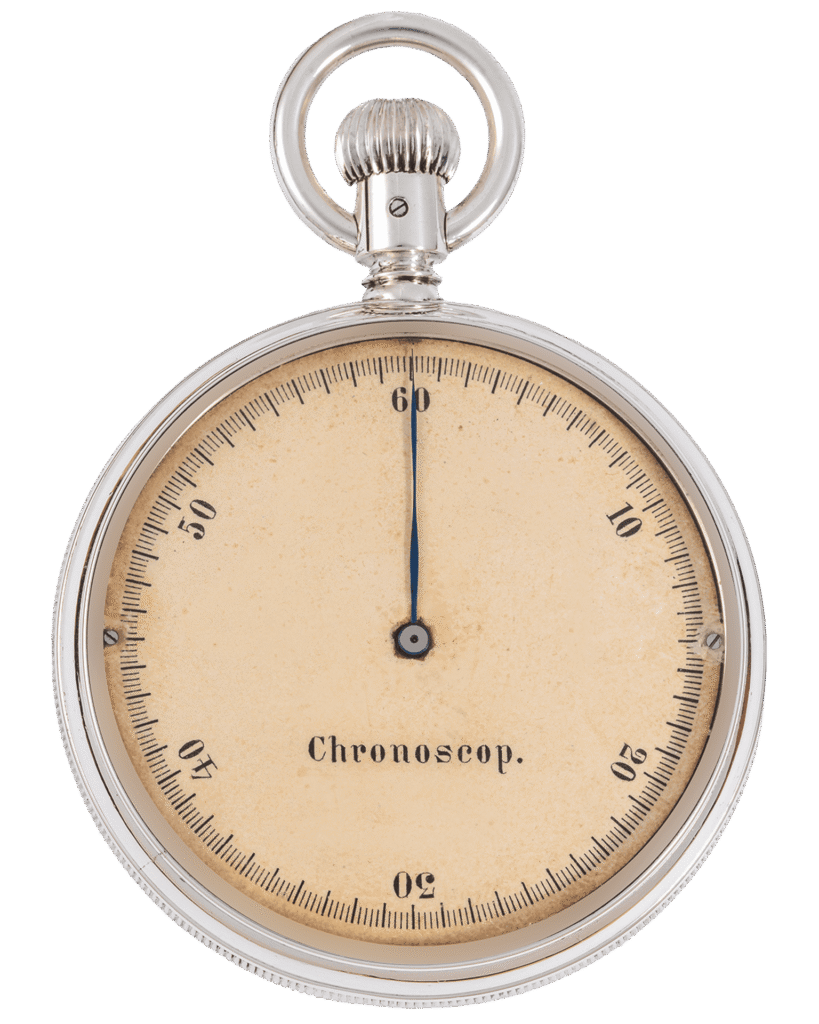
Examples include his special hand-setting mechanism and the micrometer screw for fine accuracy adjustment. He even developed stopwatches that he named chronoscope or seconds counter, and patented one of these designs. His watches, measuring instruments and tools won numerous awards.
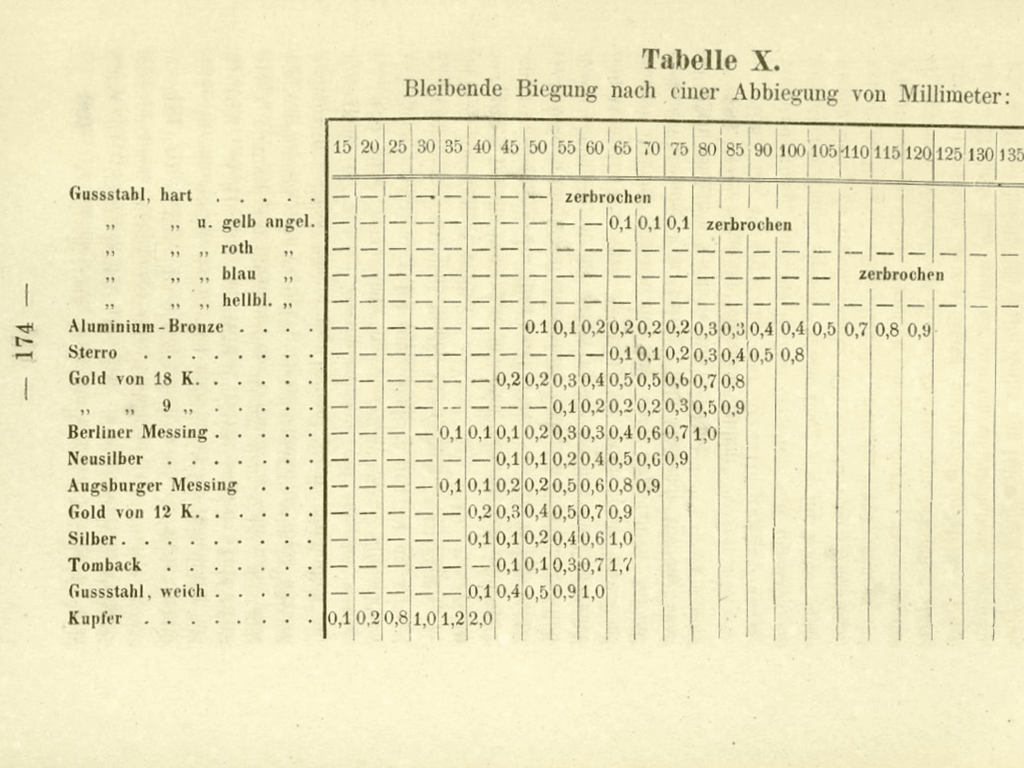
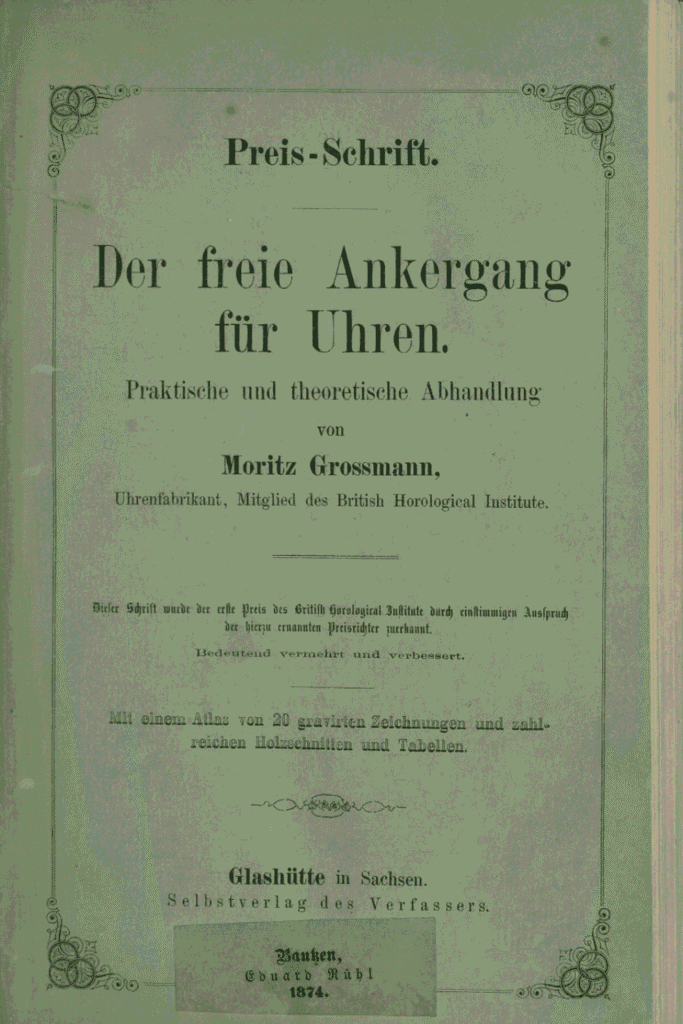
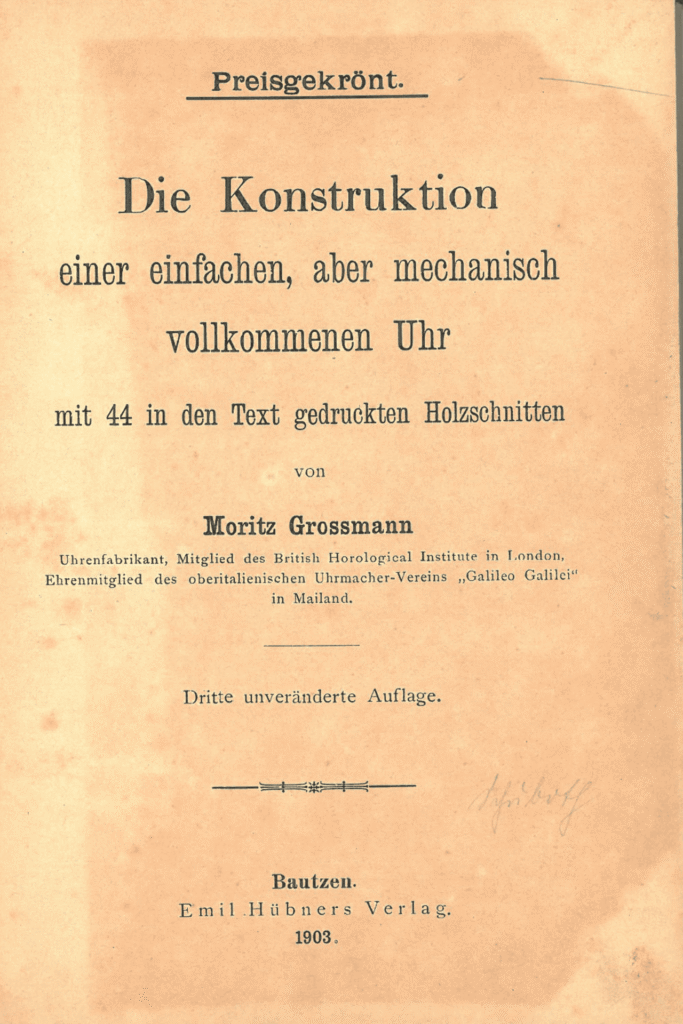
Moritz Grossmann’s work as an author and translator of technical literature was no less significant. By passing on knowledge and defining terminology and processes in more detail, Grossmann shaped watchmaking long after his death.
Er übersetzte und publizierte Schriften ausländischer Autoren und gab diese oftmals im Selbstverlag heraus. Seine eigenen Arbeiten gelten noch immer als Standardwerke von höchster Qualität. Seine Abhandlung Der freie Ankergang für Uhren, die er selbst ins Englische übersetzte, erhielt einen ersten Preis bei einem Wettbewerb des British Horological Institute. Auch sein Werk Die Konstruktion einer einfachen, aber mechanischvollkommenen Uhr wurde zum Klassiker. Sogar ein Wörterbuch für Uhrmacher gehört zu seinem Gesamtwerk.
On the Construction of a Simple and Mechanically Perfect Watch
He wrote his papers for experienced watchmakers and apprentices alike, as he believed that life-long learning and the transfer of knowledge were at the very heart of the craft.
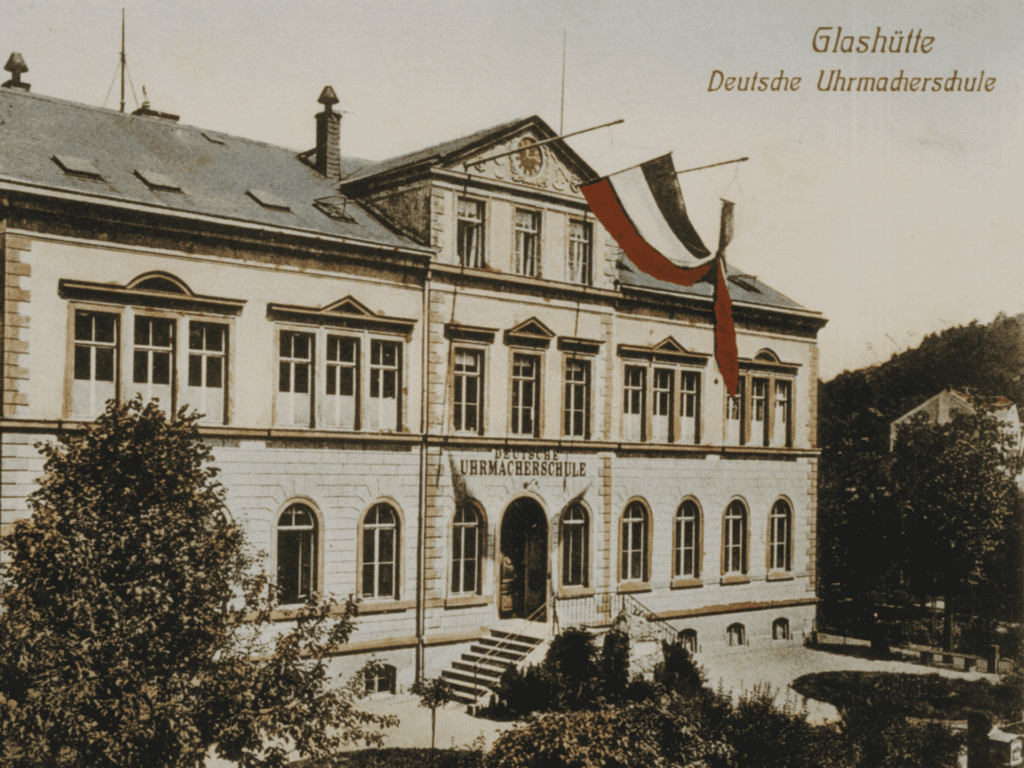
Grossmann initiated and founded the German Watchmaking School in Glashütte in 1878, and remained closely associated with it for the rest of his life. His involvement in structuring the curriculums shaped the education of watchmakers for generations.
The best thing that school can teach you one day will be the revelation that our art encompasses such an endlessly vast field of theoretical and practical achievements that no one can consider themselves much more than an apprentice.
Moritz Grossman’s speech on 1 May 1878 for the opening of the Watchmaking School.
The style of this great watchmaker and the design and construction features created by him can be found in modern Moritz Grossmann watches. They continue the legacy of Moritz Grossmann and that of his watchmaking workshop, which he established in Glashütte in late 1854.
There is, however, a significant gulf between the past and present: Moritz Grossmann died unexpectedly in 1885 at the age of just 59, leaving no successor; the company ceased to exist and for more than one hundred years, the name Moritz Grossmann was known only to specialists.
This all changed in 2008 with the opening of the independent company Grossmann GmbH by watchmaker Christine Hutter. The company shares the values and virtues of its namesake, continues them into the present day and remains true to his high standard.

The timeline guides you through the life, work and impact of Moritz Grossmann and shows how his legacy extends into the present day.
Carl Moritz Grossmann is born in Dresden on 27 March.
He completes his watchmaking training in Dresden (including at watchmaker Krumme from 1842 to 1847) and subsequently becomes a journeyman, with periods of military service in between.
Grossmann returns to Saxony and, around the turn of the year, opens a watchmaking workshop in Glashütte.
He wins first prize in a competition run by the British Horological Institute in London with his essay entitled ‘On the Detached Lever Escapement’.
He shapes the Glashütte town council for decades as one of its leading members. He serves as a representative in the Saxon Landtag (parliament) and initiates the formation of multiple associations.
In establishing the German Watchmaking School in Glashütte, Grossmann creates a central training institution; that same year, he translates a significant instructional work by Claudius Saunier from French, revises and publishes it, and introduces it to the school. Some of his teaching materials continue to be reissued in multiple languages to this day. In his native region, Grossmann advocates for the construction of the railway in the Müglitztal valley.
Carl Moritz Grossmann dies in Leipzig on 23 January.
In his honour, an oil painting and plaque from the German Watchmakers’ Society in London are unveiled. Both works can today be found in the collections of the German Watch Museum Glashütte.
The company Grossmann Uhren GmbH is formed by Christine Hutter and ties into the Moritz Grossmann heritage.
The BENU is introduced as the first Grossmann watch model of the modern era.
The manufactory moves into its new watchmaking premises.
The BENU Power Reserve and ATUM model series are released for the ceremonial inauguration of the manufactory building; the BENU Tourbillon also complements the collection.
With TEFNUT and TEFNUT Lady, the manufactory adds new model series to its collection.
TEFNUT 36 is shown to the public for the first time, while ATUM Pure and TEFNUT Pure complement the collection as new steel watches.
TEFNUT Twist (Grossmann strap winder) and ATUM Date make their debut as new products, and the jewelled TEFNUT Sleeping Beauty as well as a watch set for the One Watch Charity Auction (historic pocket watch and ATUM Hommage) are presented.
For its tenth anniversary, the manufactory presents anniversary models and BACKPAGE (mirrored calibre) at Baselworld; it also auctions 24 unique pieces in cooperation with Christie’s New York.
An international roadshow heads to Dubai, Tokyo, Hong Kong and London, prompting the launch of multiple new models (including GMT, CORNER STONE, HAMATIC, MOON in SPACE and 37 ARABIC Black & White) as well as TEFNUT Lady Butterfly.
BACKPAGE Transparent and HAMATIC Vintage are introduced, with XII Birthday Edition and POWER RESERVE in stainless steel following in November.
TREMBLAGE, CENTRAL SECOND, HAMATIC Vintage and BACKPAGE Blue are launched.
With UNIVERSALZEIT, the manufactory adds a world time complication to its collection.
BACKPAGE Green, POWER RESERVE Salmon, TEFNUT Silver-Plated by Friction and TREMBLAGE Birthday Edition are launched.
TOURBILLON Tremblage, 37 ARABIC Vintage and ENAMEL ROMAN Vintage are launched.
The PERPETUAL CALENDAR is unveiled in three variants, marking the premiere of a new Grossmann construction.
For Moritz Grossmann’s 200th birthday, the manufactory pays tribute to its namesake with celebrations and special limited editions.
The biographies of Moritz Grossmann and Christine Hutter mark the origin and new beginning of the manufactory: the work of the watchmaker from the 19th century and the founding of Grossmann Uhren GmbH in 2008.